
Veterinary Care Is Becoming Harder to Access. How Can Pet Parents Get Help?
Vet shortages, long waits, and rising costs make pet care harder. Here is how pet parents can observe, document, and manage everyday care while knowing when to seek professional help.
 By ScanMyPet Team
Finding a veterinarian when your pet needs help should be simple. But for many pet parents, it isn’t always that easy.
Veterinary professionals are in short supply in some regions, appointments can take days to secure, and the cost of consultations, diagnostic tests, and treatments continues to put pressure on household budgets. For pet owners living far from veterinary clinics, even getting an initial assessment can be difficult.
Meanwhile, pets don’t always wait for a convenient appointment. A new patch of irritated skin, persistent scratching, a change in appetite, or unusual behaviour can leave owners wondering what to do next.
- Should you monitor the problem?
- Is there something you can safely do at home?
- Or does your pet need immediate professional attention?
When reliable help isn’t readily available, these questions can become stressful.
The solution isn’t to replace veterinarians. It’s to make everyday pet care more accessible, help owners understand what they’re observing, and give them practical tools to manage their pets’ wellbeing while recognising when professional care is necessary.
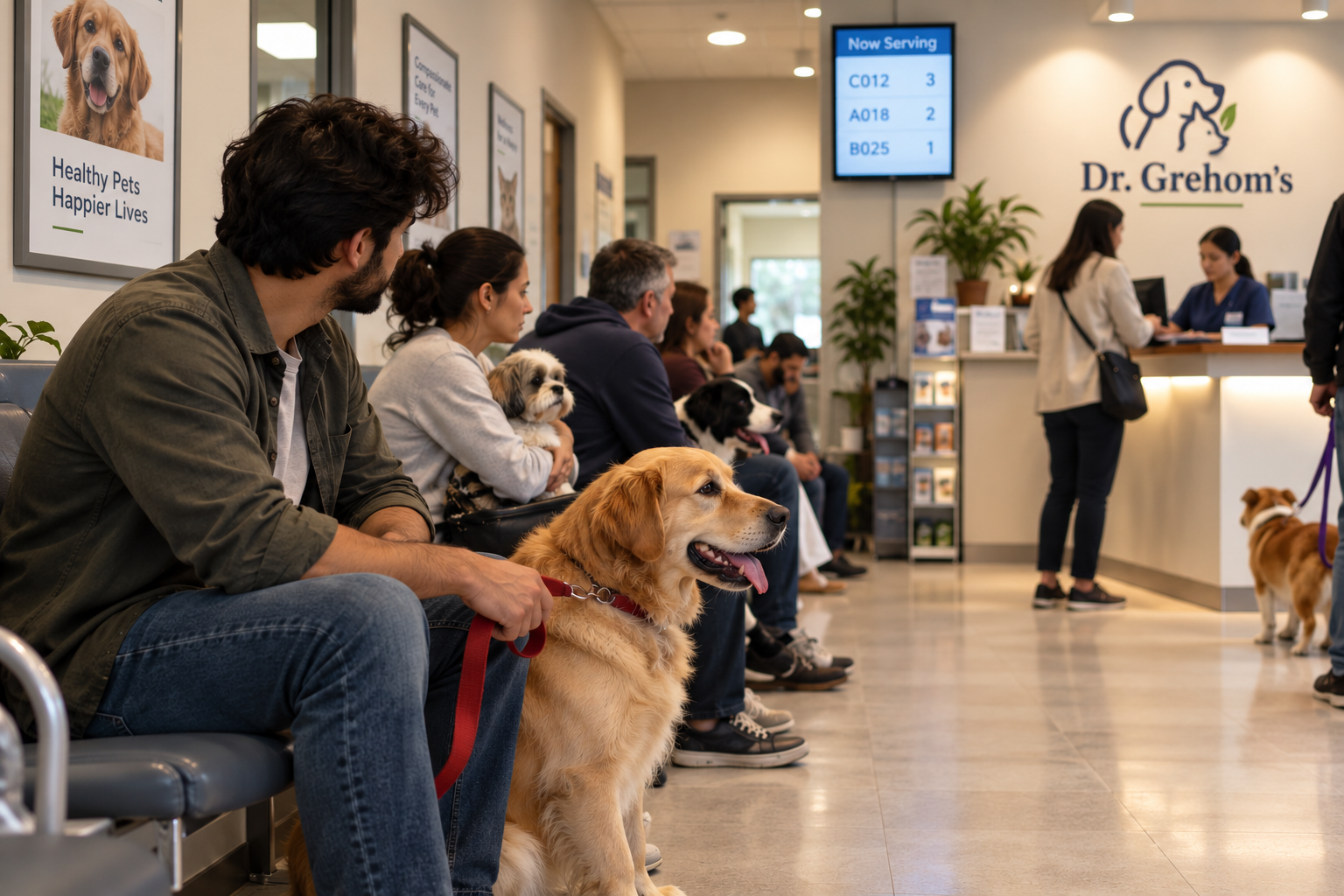
Why is access to veterinary care becoming a challenge?
Veterinary shortages and limited availability
Access to veterinary services varies significantly between regions. In some areas, shortages of veterinary professionals and limited clinic availability make it difficult for pet parents to find timely appointments.
The problem can be particularly challenging in rural communities, smaller towns, and locations where specialist services are limited. When a concern arises, travelling to another town or waiting for an available appointment may not always be convenient or affordable.
Long waiting times leave pet parents uncertain
Not every health concern requires emergency treatment, but it isn’t always easy to know which problems can wait.
Imagine noticing a red patch on your dog’s skin late in the evening. Your regular veterinary clinic is closed, and the next available appointment is several days away. You search online for answers, but different websites offer different explanations. Without a clear understanding of what you’re seeing, it becomes difficult to decide what to do while waiting.
The uncertainty can be just as stressful as the waiting itself.
Rising veterinary costs make pet care difficult to manage
Responsible pet ownership involves ongoing expenses, from routine check-ups and vaccinations to medications, diagnostic tests, and unexpected treatments. For families working within a limited budget, these costs can make accessing veterinary services more challenging.
Although avoiding necessary treatment can lead to greater problems, pet parents still need practical ways to organise everyday care, monitor changes, and prepare for consultations. Better information and record-keeping cannot eliminate veterinary expenses, but they can help owners approach pet care in a more informed and organised way.
Small changes are easy to overlook
Pets cannot explain their symptoms in words. Instead, they communicate through changes in appearance, behaviour, appetite, and activity.
A small skin irritation might look different a few days later. A pet that usually enjoys playing might become less active. These changes can be difficult to track when you’re relying entirely on memory. Without photographs or a record of previous observations, it may be harder to recognise patterns or explain when a concern first appeared.
This is where simple, accessible pet health tools can help.
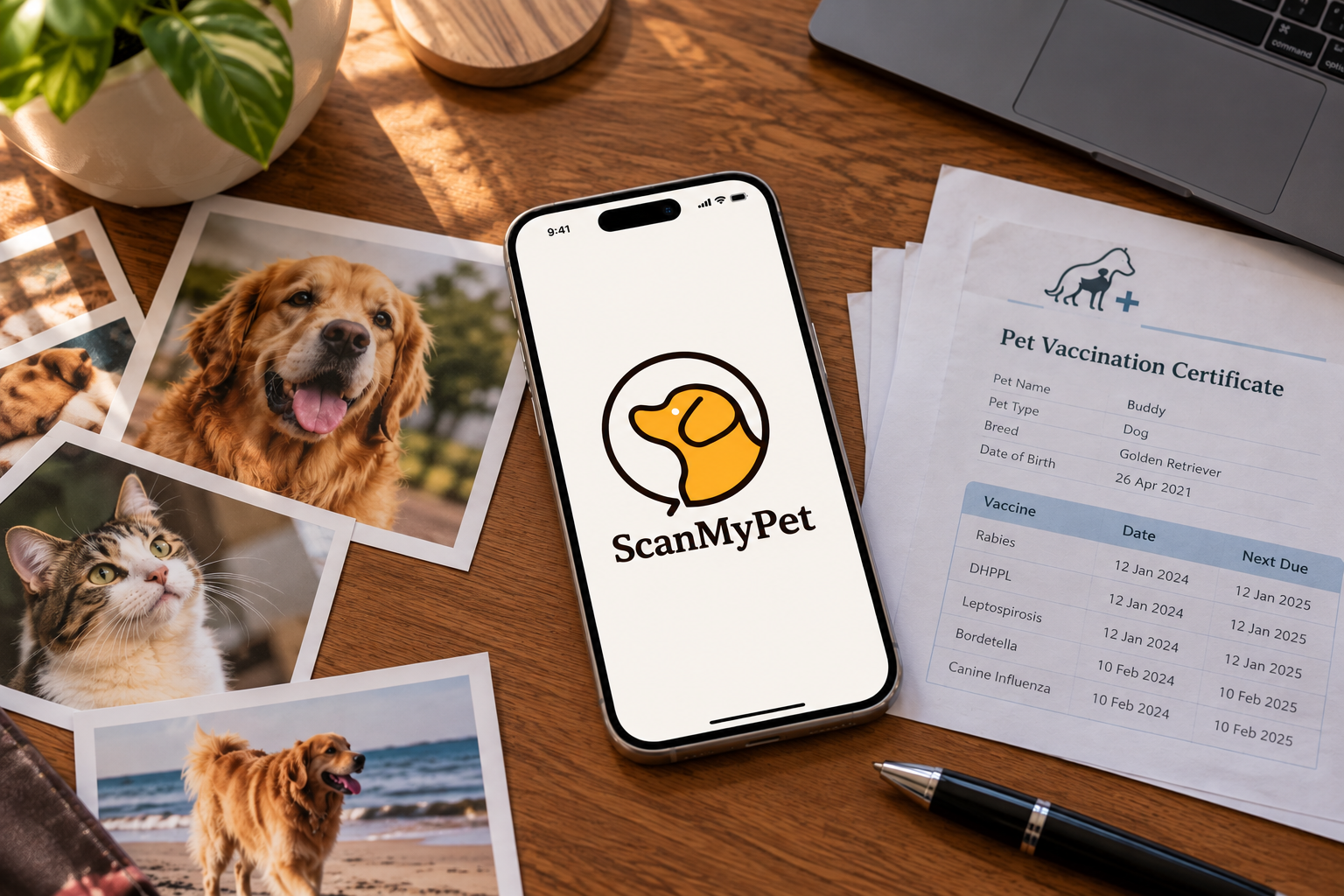
How ScanMyPet helps bridge the gap in everyday pet care
ScanMyPet is designed to make it easier for pet parents to understand visible health concerns, access everyday care guidance, and keep track of their pets’ wellbeing in one place.
Rather than leaving owners to piece together information from search results, scattered photographs, and memory, ScanMyPet provides a more organised way to approach everyday pet care.
Get an initial assessment from a photo
Sometimes, the first challenge is understanding what you’re looking at.
With ScanMyPet, you can upload a photograph of your pet to receive a photo-based assessment of visible signs and possible areas of concern. Whether you’ve noticed a change in your dog’s skin, coat, or paws, the assessment gives you a convenient starting point for understanding what may deserve further attention.
You can use the information to organise your observations and prepare questions for your veterinarian, rather than relying entirely on guesswork.
Access everyday pet care guidance
When an appointment isn’t immediately available, pet parents may still need help understanding general care practices and deciding what information to gather.
ScanMyPet provides access to a pet health chat assistant where owners can explore questions about their pets and receive general care guidance. This can help you learn more about everyday concerns, understand basic care considerations, and prepare for a veterinary consultation. For suitable minor concerns, appropriate home-care guidance may also help owners support their pets while monitoring changes.
However, home care is not appropriate for every condition. Persistent, worsening, or serious symptoms need professional attention, and urgent warning signs should never be managed through an app alone.
Track changes over time
A single photograph shows what your pet looks like at one moment. Comparing observations over time can provide a clearer picture of how a visible concern is changing.
ScanMyPet helps you keep track of your pet’s care journey, revisit previous scans, and record progress. For example, if you’re monitoring a minor skin concern under appropriate guidance, you can document its appearance and compare it with later photographs. This makes it easier to recognise changes that might otherwise go unnoticed and provides useful context if you need to consult a veterinarian.
If the condition worsens or fails to improve as expected, don’t continue monitoring indefinitely. Arrange professional assessment.
Keep your pet’s health information organised
How long has your pet been scratching? When did you first notice the irritation? Have you observed something similar before?
These details can be difficult to remember, particularly when a concern develops gradually. ScanMyPet’s pet diary and health-tracking features help you keep relevant observations and care information organised in one place. Instead of searching through your phone’s photo gallery or trying to remember dates, you can build a more useful record of your pet’s health journey.
When a veterinary appointment becomes available, having this information ready can help you describe what happened and how the concern changed.
Stay consistent with everyday care
Pet health involves more than responding when something goes wrong. Routine care, regular observation, and follow-up activities are also important.
With ScanMyPet’s reminders and alerts, you can organise care activities and reduce the chances of forgetting important tasks. Combined with progress tracking and a pet diary, these tools help you develop a more consistent approach to your pet’s wellbeing.
The goal is to make everyday care easier to manage, even when your schedule is busy or veterinary services are not immediately accessible.
Can ScanMyPet help reduce the cost of pet care?
Veterinary expenses are a genuine concern for many families, but there is no single solution to rising healthcare costs.
ScanMyPet cannot guarantee lower veterinary bills or determine that a consultation is unnecessary. Its value lies in helping pet parents become better organised and more informed about everyday care.
By documenting visible changes, maintaining health records, and preparing useful information before appointments, owners can make their consultations more productive. Accessible care guidance can also help owners understand routine care responsibilities and recognise when professional attention is important.
Most importantly, the availability of a home-care tool should never become a reason to delay necessary treatment. Early professional assessment can be crucial for conditions that require medical intervention.
Better pet care starts at home
When getting a veterinary appointment takes time, knowing what to do next matters.
You may not be able to control clinic availability or the cost of every treatment, but you can take steps to observe your pet more carefully, document changes, maintain useful records, and recognise when professional help is needed.
With photo-based assessments, everyday care guidance, progress tracking, and a pet health diary, ScanMyPet helps bring these activities together in one place.
Because better pet care isn’t about having every answer at home. It’s about having practical tools to support your pet while making responsible decisions about their health.
Discover a simpler way to manage your pet’s everyday wellbeing with ScanMyPet.
Start Your Pet's Care Journey
One photo can start the journey with ScanMyPet, helping you notice, understand, act, and remember, every step of the way.
Start Your Pet's Care JourneyShare this post
ScanMyPet provides AI-assisted pet wellness insights for informational and educational purposes. It does not provide veterinary diagnosis, treatment, or emergency care. AI-generated results may be inaccurate or incomplete and should not replace professional veterinary evaluation. If your pet is sick, injured, in distress, or you are concerned about its health, contact a licensed veterinarian.